
"Where It All Began.
History
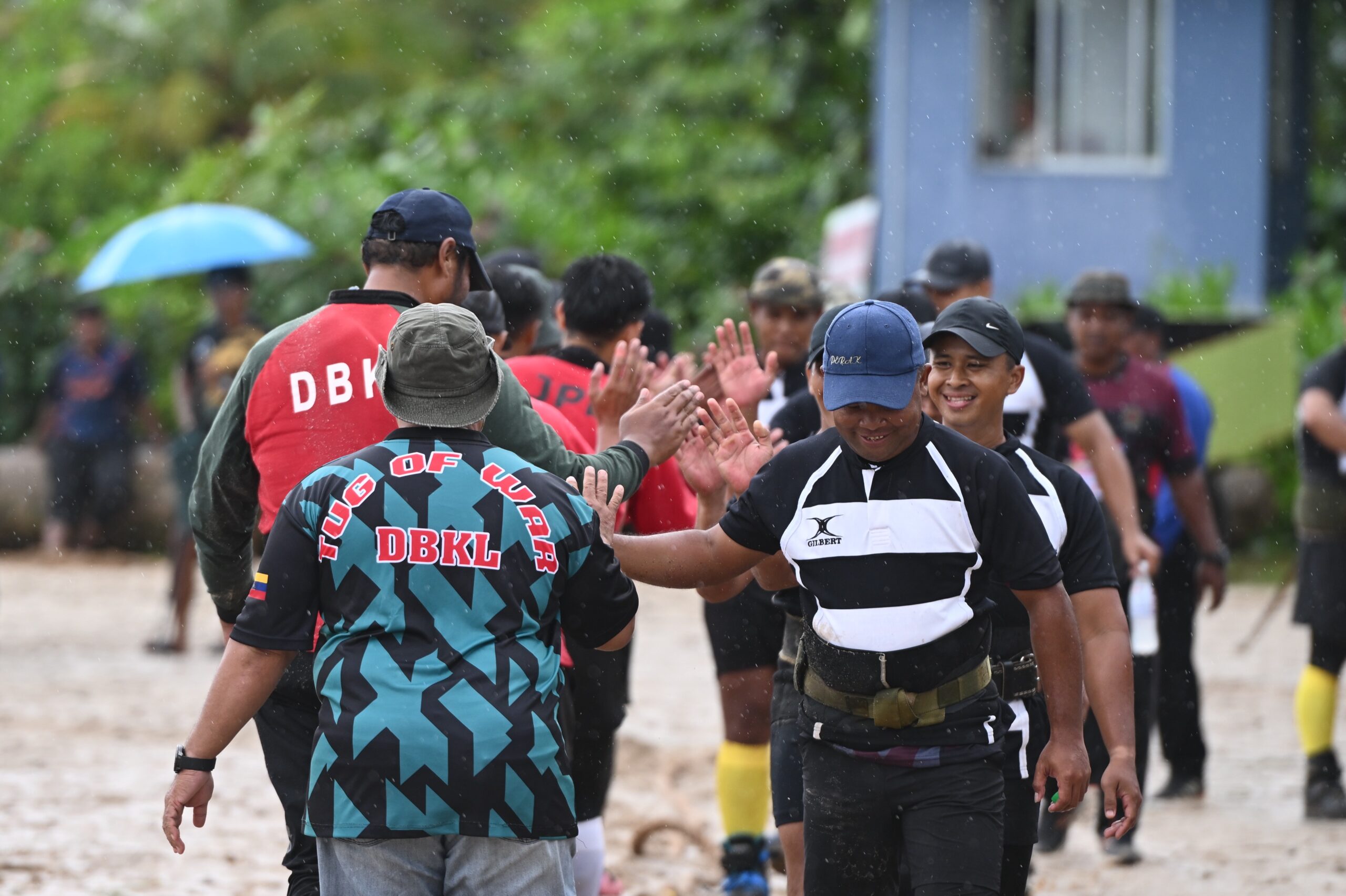
Sportsmanship
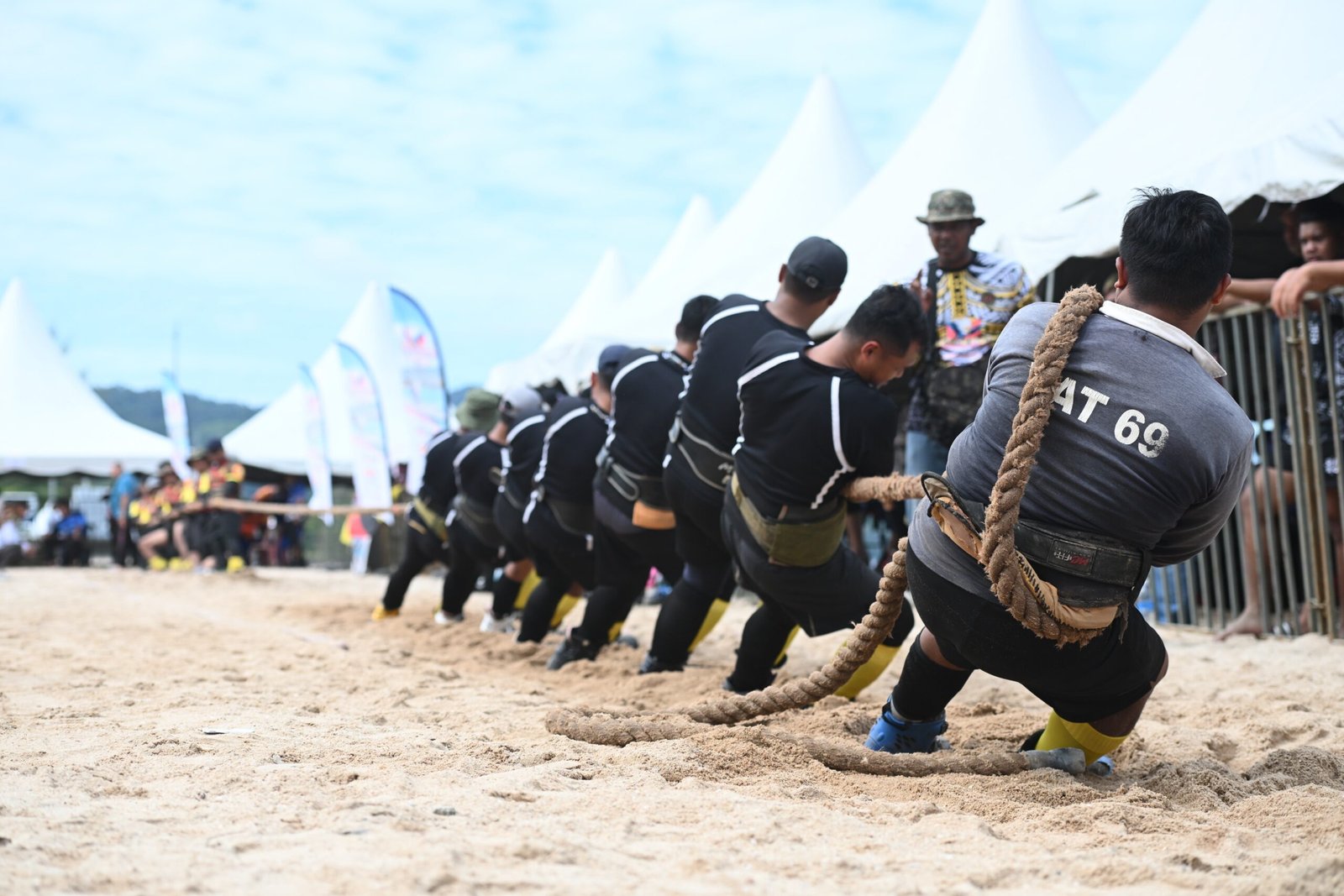
Team Work
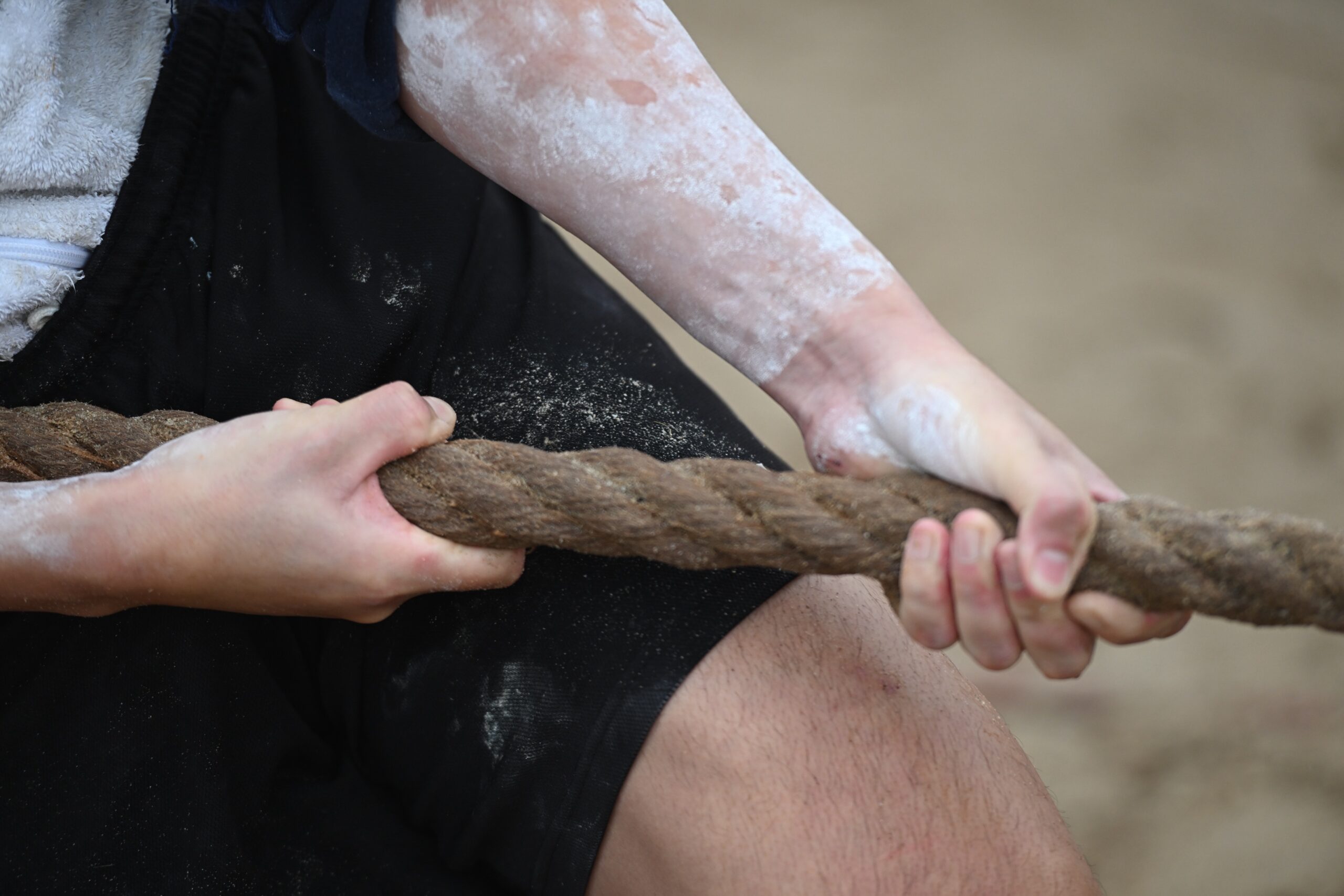
Goal
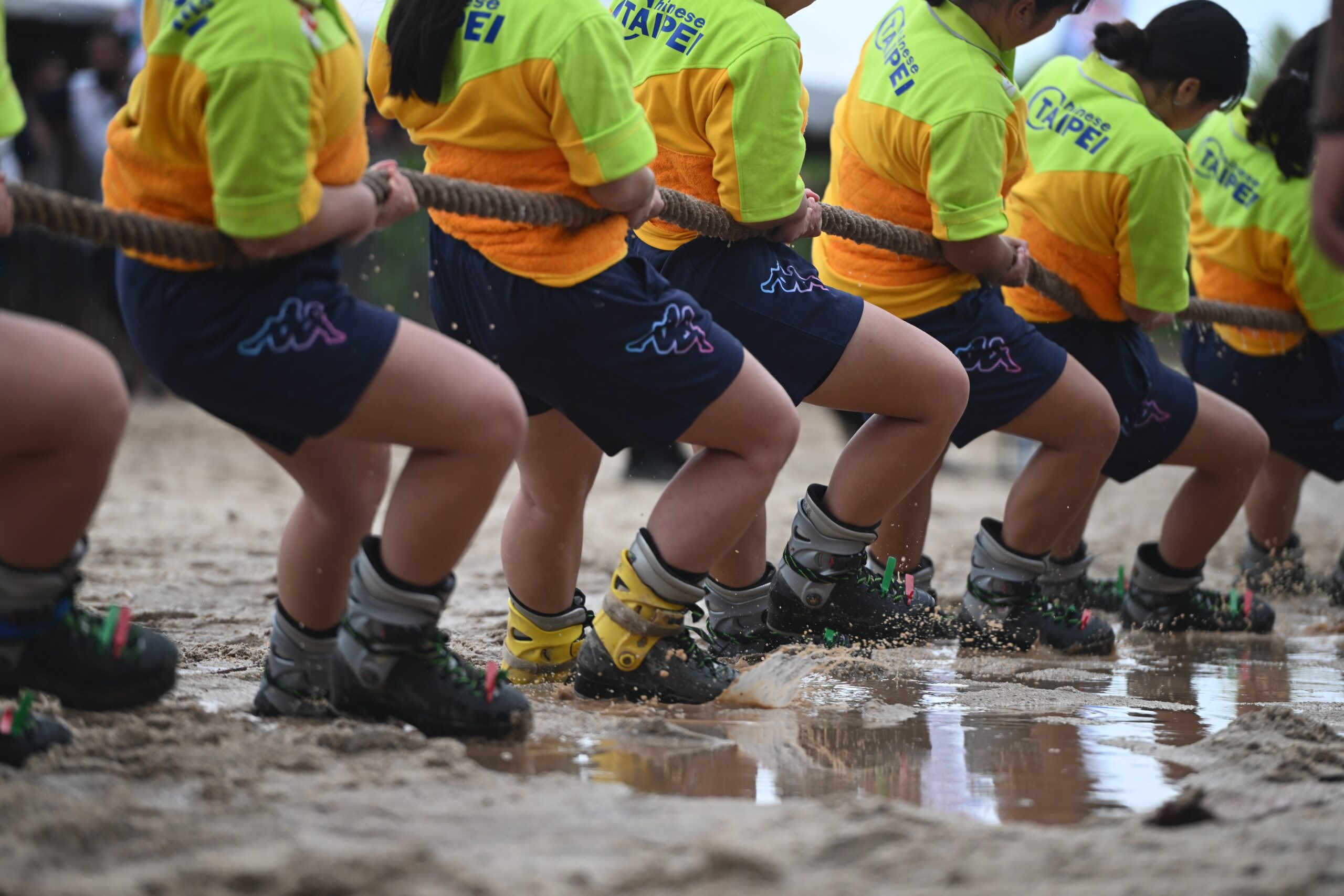
Technique
TUG OF WAR
The phrase in Oxford English Dictionary meant the decisive contest; the real struggle or tussle; a severe contest for supremacy. Only in the 19th century was it used as a term for an athletic contest between two teams who haul at the opposite ends of a rope.
Ancient Origins
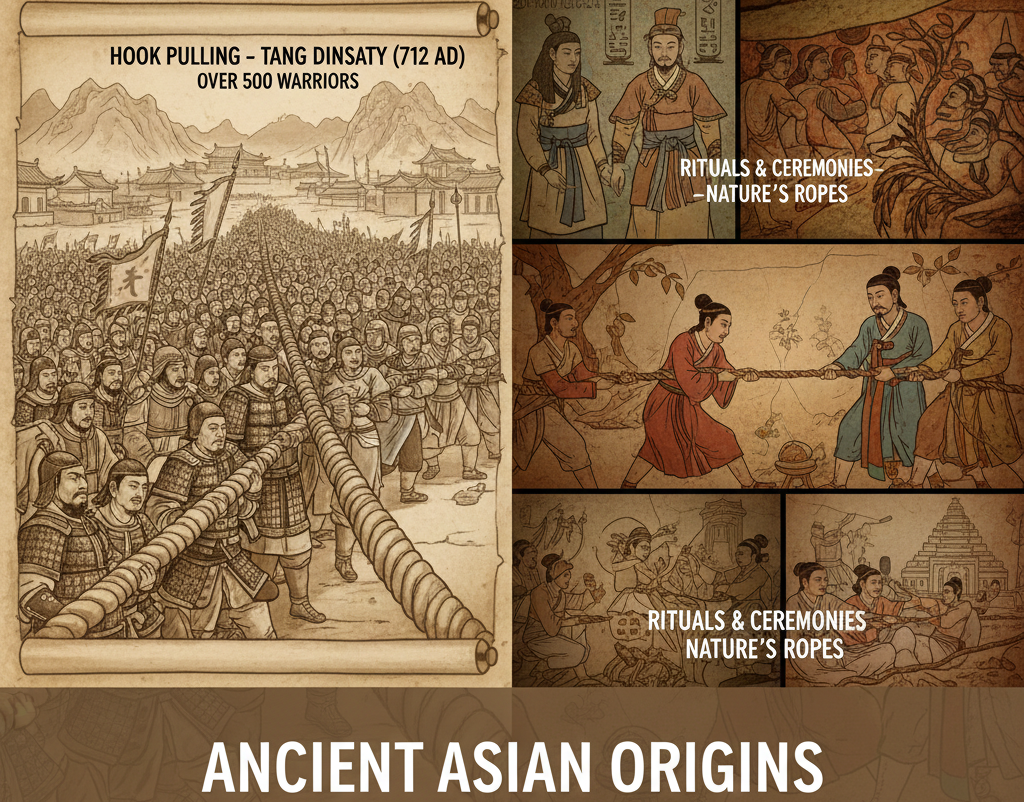
There is no specific time and place to define the origin of the game of Tug of War in the world, suffice to claim that this game has an Asian origin and drawn out of the rituals and professional ceremonies associated with the use of ropes made out of material drawn from Nature and not harmful to human health.
Evidence is found independently in Cambodia, China, India, Japan, Korea and North Burma of practices associated with the physical act of pulling or ‘tugging’ of any material using ropes or rope like devices. Elsewhere in the world, the game in vogue has been found in Egypt and Holland.
According to a Chinese Tang dynasty book, The Notes of Feng, tug of war, under the name “hook pulling”, was used by the military commander of the State of Chu during the Spring and Autumn Period 2400 years ago in 771 BC until 476 BC to train warriors. During the Tang dynasty the years of 712 AD to 756 AD, Emperor Xuanzong of Tang promoted large-scale tug of war games, using ropes of up to 167 meters with shorter ropes attached and more than 500 people on each end of the rope.
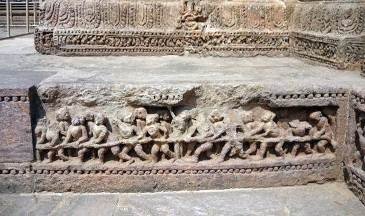
Archeological evidence shows that tug of war was also popular in India in 12th century AD in the area what the State of Orissa on the east coast is today. The famous Sun Temple of Konark has a stone relief on the west wing of the structure clearly showing the game of Tug of War in progress.
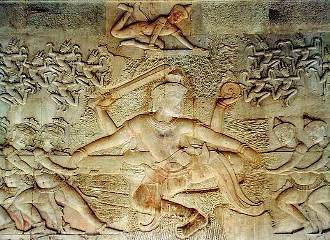
Cambodia, Angkor Wat is the largest Hindu temple complex in the world, was built by King Suryavarman II in the early 12th century AD in Yasodharapura, the capital of the Khmer Empire. The bas-relief of the Churning of the Sea of Milk shows Vishnu in the centre, his turtle Avatar Kurma below, asuras and devas to left and right, and apsaras and Indra above. This is a tug of war between the asuras and demons.
The Naha Tug of war is an event at the annual festival held in Naha, Okinawa, Japan. Its roots may be traced back to the 17th century AD. It is a battle between the East and West teams.
The event draws some 25,000 attendees annually. In 1997 the event was first logged in the Guinness Book of World Records as being the largest tug-of-war event in the world.
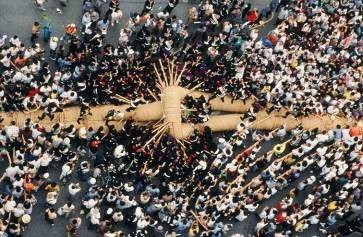
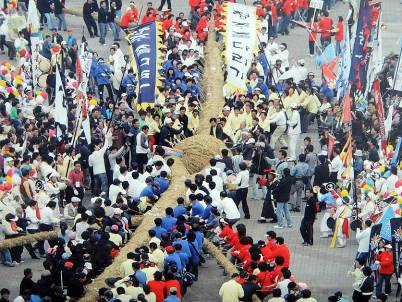
In Korea, Tug of War is an annual Festival, where residents called upon the gods to provide a bountiful crops harvest and to chase devils away. The traditional Tug of War has been staged in Yonabaru Town for 400 years of inherited traditions, having begun in the Ryukyu Kingdom era of King Sho-ei, who reigned from 1573 AD to 1588 AD. The king chose the festival for good luck and to pray for everyone’s prosperity. His way of making the event special was the linking of two ropes signifying East and West, forecasting a rich harvest or poor harvest by victory or defeat in the tug of war.
Tug of War as sport contest
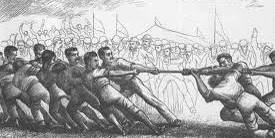
Later, Tug of War became a pure contest of physical strength. In Greece, the cradle of the ancient Olympic Games, Tug of War sport was practised by athletes either as a competitive sport or as an exercise in the physical training for other sports.
In East Asia
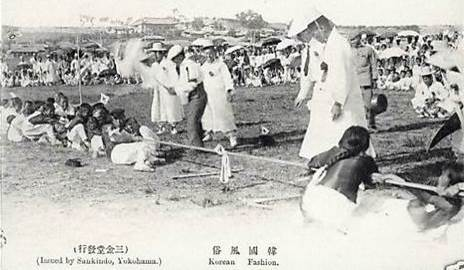
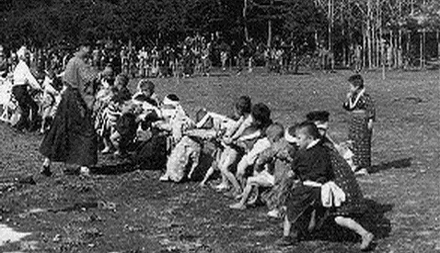
Evidence of Tug of War is found in the year 712 AD to 756 AD in China. During the Tang dynasty the Emperor Xuanzong of Tang promoted large-scale tug of war games, using ropes of up to 167 meters with shorter ropes attached and more than 500 people on each end of the rope.
In South East Asia
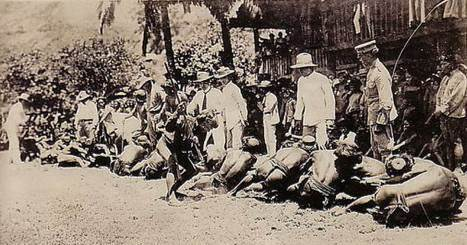
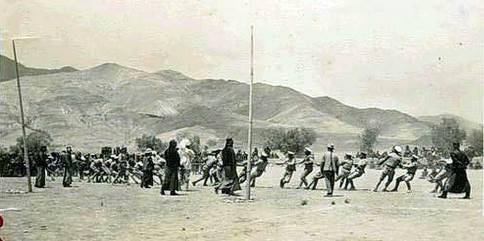
Bontoc Tug of War, Philippines 1911
Bontoc Tug of War, Philippines 1911
Bontoc Tug of War, Philippines 1911
Bontoc Tug of War, Philippines 1911
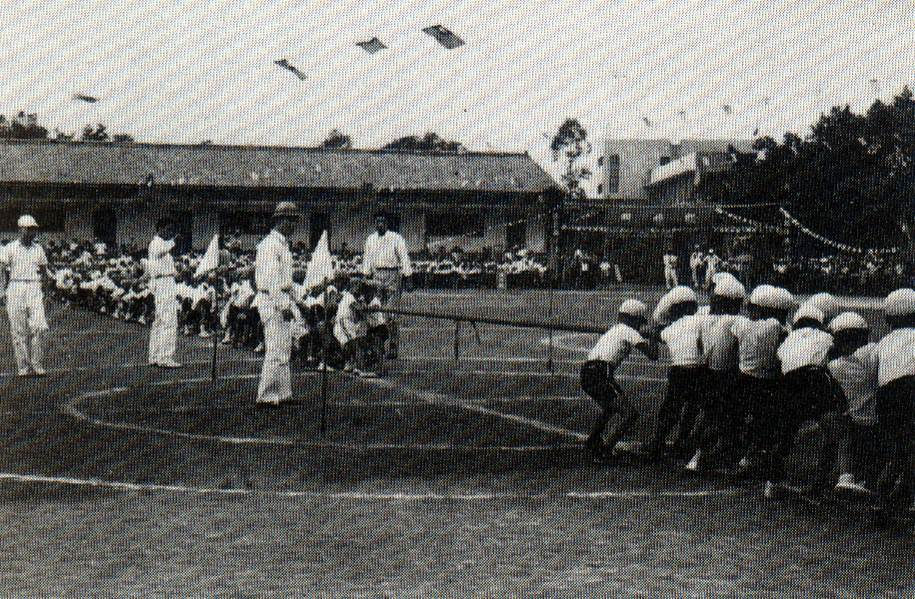
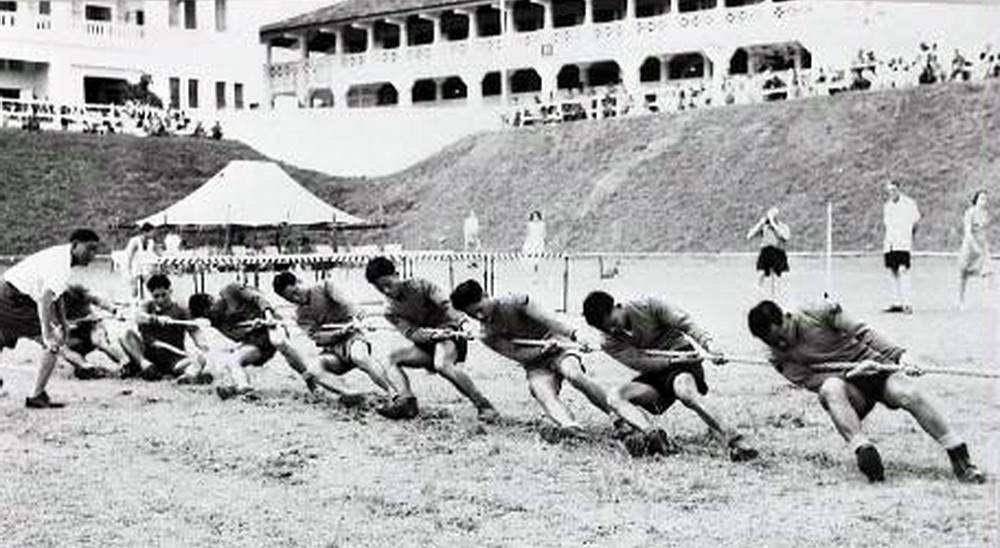
Singapore and European troops at Sentosa Archives 1940
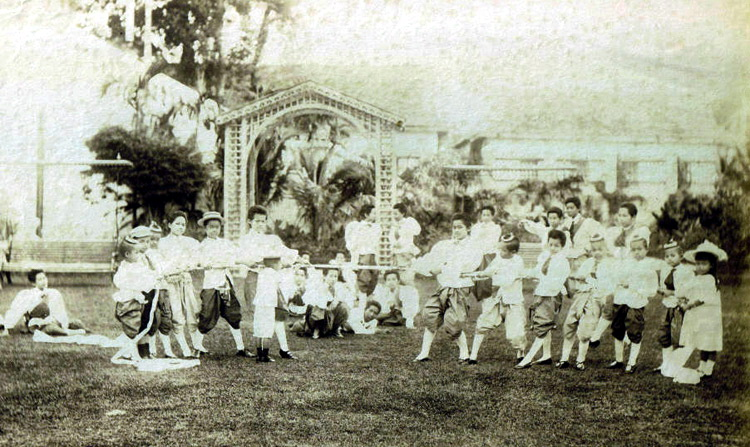
Siam princes and princesses playing tug of war in Palace Circa Thailand 1890
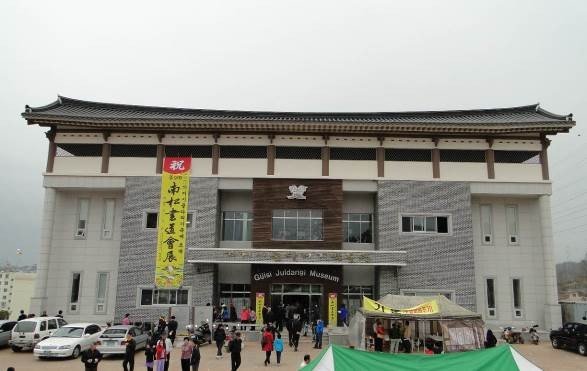
Tug of War Museum
Tug of War Museum is the only one in the world named Gijisi Juldarigi (Tug-of-War) situated in Gijisi-ri in Songak-eup of Dangjin-si, Korea, the Museum introduces and has displays of not only the invaluable cultural asset of Korea, the Gijisi Juldarigi (Tug-of-War), but also the traditional tug-of-war of Korea and foreign countries as well.
At the museum, you can find various materials and information related to tug-of-war as well as facilities where you can enjoy a cultural experience and displays of Jeojageori dating from the 60’s and the 70’s, which makes it the perfect place for the entire family to come and have a memorable experience of the history and culture of Korea.
Gijisi Juldarigi, which has been designated as Important Intangible Cultural Property, is an event with a 500-year history and traditions. The rope used during the tug-of-war is massive; it’s about 200m in length and 1m in diameter (1.8m in diameter at the head) and weighs about 40 tons. The ‘Gijisi Juldarigi Folk Festival’ is held annually in April to pray for peace and prosperity of Korea and to provide a chance for people to become one.
Olympic Period
The Tug of War sport featured in the Olympic Games from 1900 to 1920.
In 1920 the IOC took a decision to reduce the number of participants of the Olympic Games and for that reason deleted a number of team sport from the programme, including Tug of War. In 1999 TWIF received provisional IOC recognition again, which was confirmed in 2002 into formal recognition in accordance with rule 29 of the Olympic Charter.